
CLINICAL PSYCHOLOGY
How to overcome fear and anxiety: The danger of avoiding what scares you.
Why the immediate relief of escaping trains your amygdala to fear even more, and how biological habituation breaks the loop.
The most basic human instinct is survival. If we touch fire, we pull our hand back instantly. If we see a lion, we run. This defense mechanism, designed for tangible physical threats, becomes a devastating trap when applied to psychological fears or social situations. In clinical psychology, this is known as the "negative reinforcement cycle," and it is the primary engine that makes anxiety disorders chronic and progressively worse.
It works with perverse logic. Faced with an anxiety-inducing situation (a social gathering, driving, public speaking), the brain triggers an alarm. If we decide to avoid or escape that situation, we experience a sudden, immediate drop in anxiety. We feel profound relief. That relief acts as a potent neurological reward. Without realizing it, we are training our amygdala: teaching it that the only way to stay safe is by avoiding that stimulus. With every escape, we validate the danger of the situation. The brain thinks: "Thank goodness we didn't go—something terrible was surely about to happen."
The long-term consequence is the progressive shrinking of our world. Today you avoid speaking up in a meeting, tomorrow you avoid the office, and the day after it becomes hard to leave home. Avoidance is gasoline for anxiety because it prevents the only biological process capable of healing it: habituation. Habituation is the natural process whereby the nervous system stops reacting to a stimulus when exposed to it for a prolonged period without anything bad happening. It is like stepping into cold water: at first it takes your breath away, but if you stay still, your body adapts and the temperature normalizes.
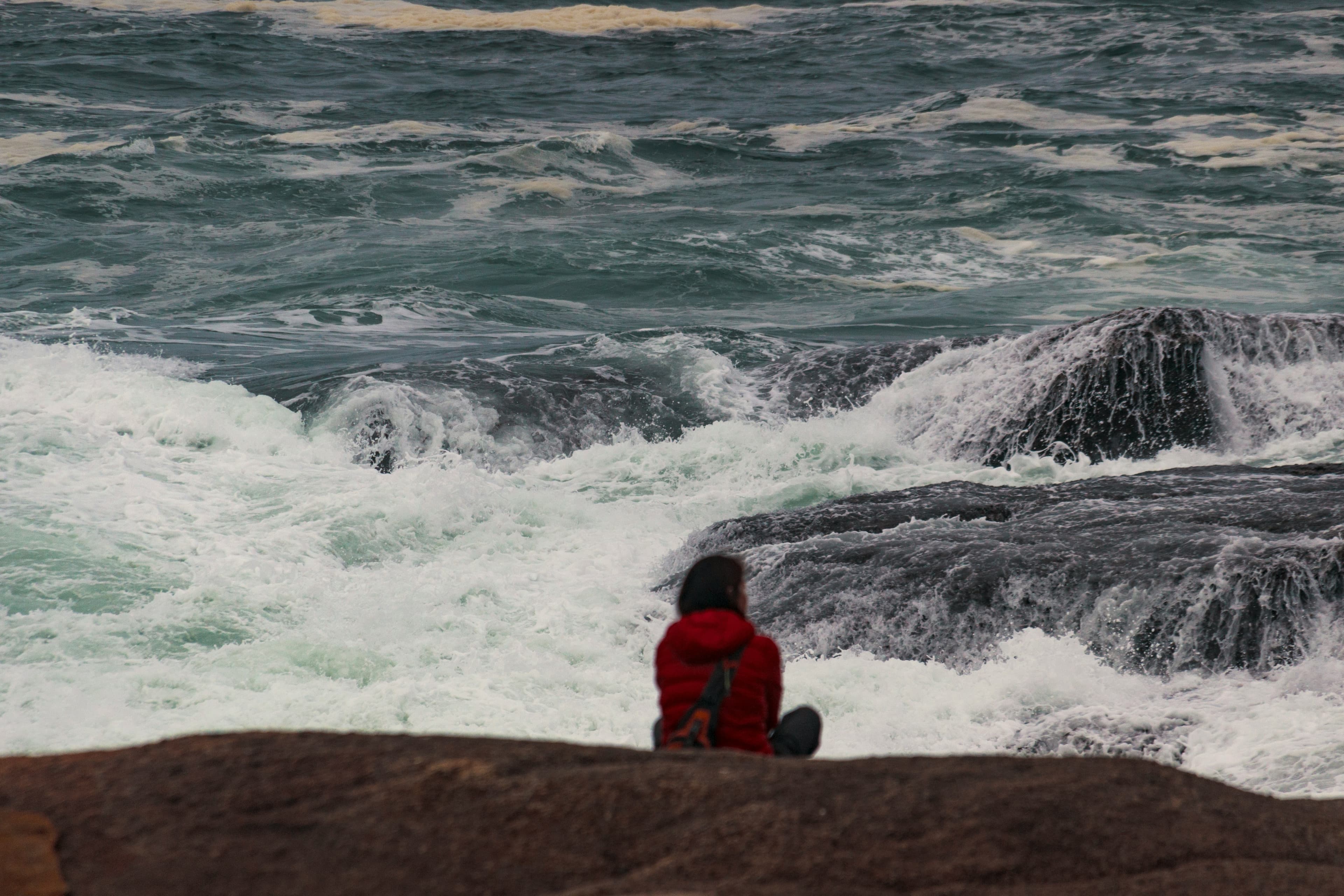
To overcome anxiety, we must act against our visceral intuition. Instead of retreating when discomfort arises, we must stay and "surf" the wave of panic. If we remain in the feared situation long enough, we prove empirically that the anticipated catastrophe does not occur and that anxiety inevitably subsides on its own. It is a physiological law: the body cannot maintain maximum alarm indefinitely. Facing fear is not merely an act of moral courage; it is a therapeutic necessity to re-educate an overprotective brain and teach it that while discomfort is real, danger is not.