
NEUROSCIENCE & PSYCHOLOGY
Can anxiety be cured? Neuroplasticity and how to rewire your brain.
Anxiety is not a fixed personality trait: it is a deeply ingrained neurological habit that can be dismantled through synaptic pruning.
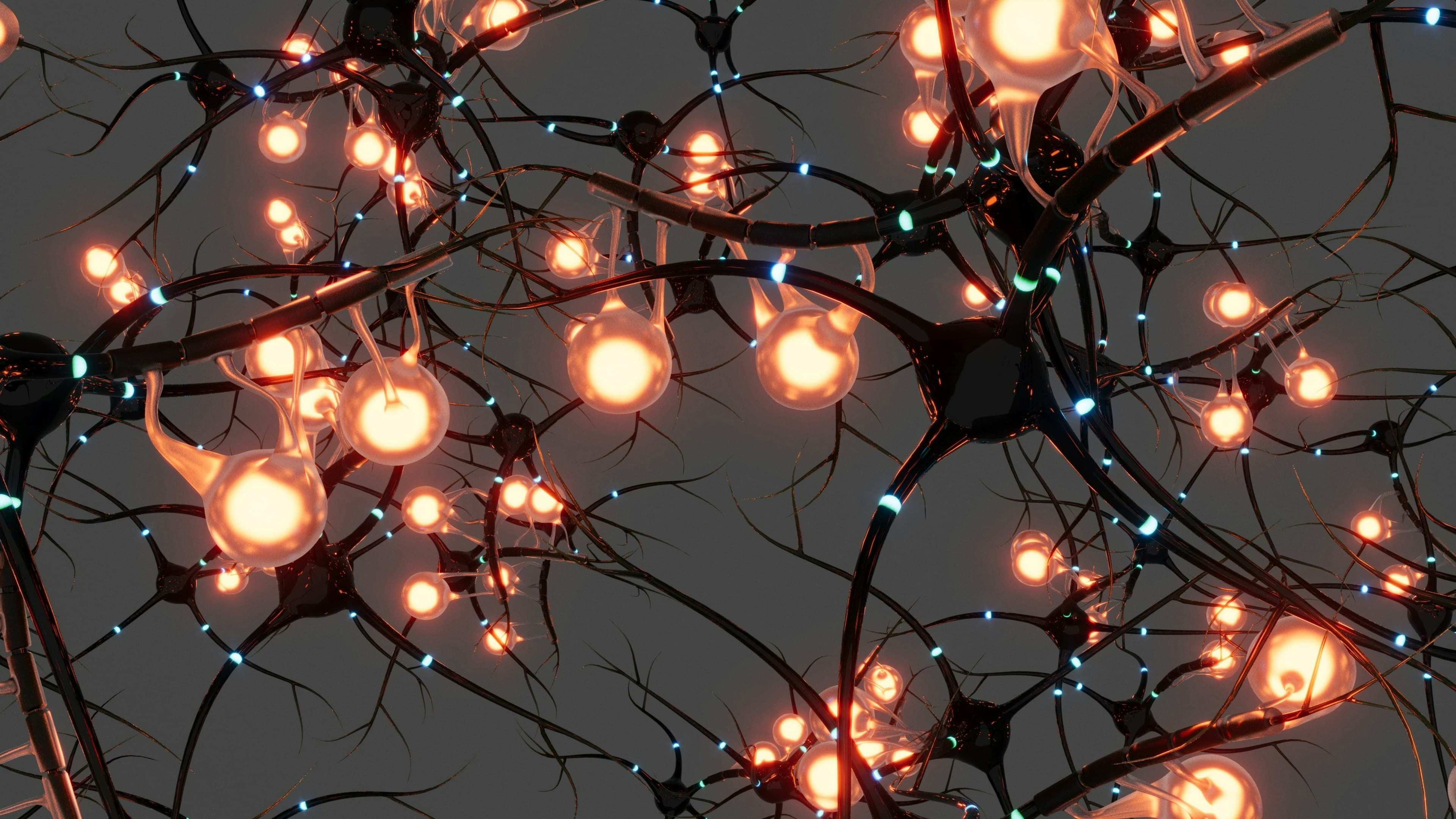
For most of the 20th century, prevailing scientific dogma held that the adult brain was a static, immutable structure. It was believed that we were born with a fixed set of neurons and that, after childhood, the wiring was permanent; if you had been dealt an anxious brain, your fate was sealed. Fortunately, modern neuroimaging technology has torn down that wall of fatalism to reveal a biological truth that is both more optimistic and more demanding: neuroplasticity. Our brain is not rigid hardware, but living tissue in constant remodeling that physically changes in response to what we do, think, and feel every day.
For anyone living hijacked by anxiety, this explains why breaking out of the loop is so difficult. In the anxious brain, the amygdala (that small almond-shaped nucleus responsible for detecting threats) often exhibits chronic hyperactivity and even greater physical volume. It acts like an overly sensitive smoke detector triggered by shower steam. Years of constant worry have strengthened the synaptic connections that feed fear, following neuroscience's golden rule: "neurons that fire together, wire together." We have turned anxiety into a high-speed neural highway so efficient that the brain takes it by default at the slightest uncertainty.
Yet the very plasticity that chains us is also the key that sets us free. Recent studies show that practices such as mindfulness meditation or Cognitive-Behavioral Therapy (CBT) are not mere psychological comforts, but tools of brain engineering. With sustained practice, real structural changes occur: gray matter density in the amygdala decreases (the fear center shrinks) while the prefrontal cortex—the area responsible for emotional regulation and rational decision-making—thickens. Literally, we are rewiring the brain so the signal of calm becomes stronger than the signal of alarm.
This process of "synaptic pruning" and building new pathways is neither instant nor effortless. Just as a trail through the jungle is not cleared in a single step, brain architecture is not changed with one afternoon of relaxation. It requires repetition, conscious effort, and patience. Understanding neuroplasticity removes the label of "chronic patient" and restores our agency. Anxiety is not an unchangeable personality trait; it is an ingrained neurological habit. And like any habit, with the right discipline and sufficient time, it can be dismantled to build in its place a mind capable of tolerating peace.